Blog ·
Choosing the Right Door Material for Your Home's Style and Durability
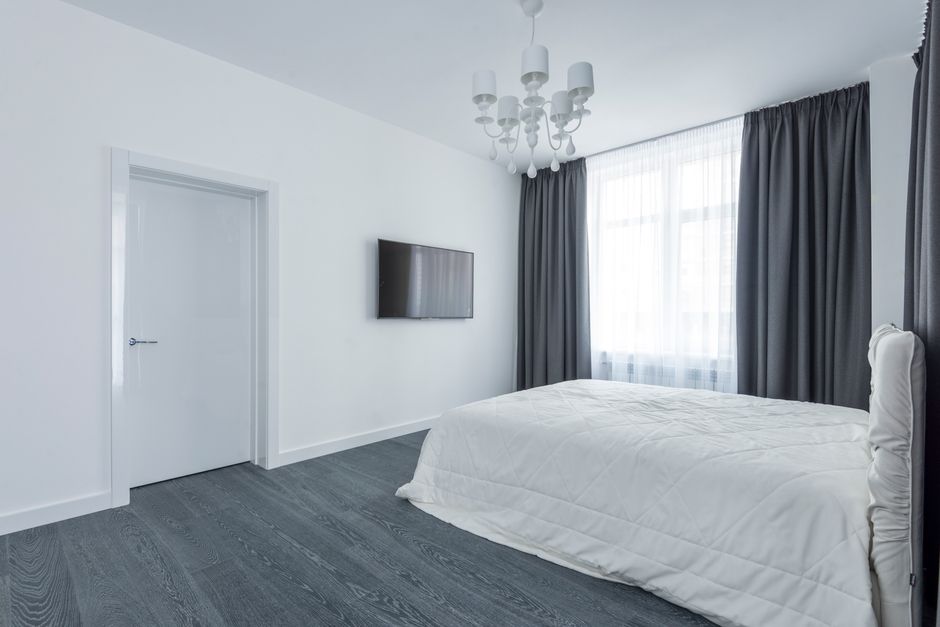
When upgrading your doors, selecting the right material is fundamental to achieving both the aesthetic appeal and longevity you desire. Each material offers distinct advantages, and understanding these differences helps you make an informed decision for your specific needs.
Understanding Material Options
Solid Wood Doors deliver timeless elegance and can be customized through staining or painting to match any décor. They provide excellent insulation but require regular maintenance to protect against weather damage and warping. Wood doors work exceptionally well for traditional and rustic home designs.
Fiberglass Doors have become increasingly popular due to their durability and low maintenance requirements. They resist warping, rotting, and splitting, making them ideal for homes in humid or coastal climates. Fiberglass can be textured to mimic wood grain while offering superior weather resistance.
Steel Doors provide superior security and excellent insulation properties. They're incredibly durable and require minimal maintenance beyond occasional paint touch-ups. However, steel doors can dent and may rust if the protective finish is compromised.
Composite Materials combine elements of wood, plastic, and other materials to create doors that resist warping and require minimal upkeep. They offer reliable performance in various climates while maintaining an attractive appearance.
Practical Considerations for Your Choice
Climate plays a crucial role in material selection. If you live in an area with extreme temperature fluctuations or high moisture levels, fiberglass or composite doors may outperform traditional wood. Consider your local weather patterns when evaluating long-term durability.
Maintenance commitment matters significantly. Solid wood requires regular sealing or staining, while fiberglass and composite materials need only occasional cleaning and minimal refinishing. Assess how much time you're willing to dedicate to maintenance before deciding.
Energy efficiency should factor into your decision. Doors with proper insulation help regulate indoor temperatures and reduce heating and cooling costs. Many modern fiberglass and composite doors come with insulating cores that enhance thermal performance.
Design and Aesthetic Appeal
Your home's architectural style influences which materials work best. Contemporary homes often showcase bold fiberglass or steel doors, while traditional properties may benefit from classic wood designs. Modern materials can convincingly replicate natural wood appearances while offering superior durability.
The finish and color options available vary by material. Wood offers unlimited staining possibilities, while pre-finished fiberglass and composite options provide consistent, factory-sealed protection without additional work.
Making Your Final Decision
Take time to examine samples in natural lighting at your home. Consider how the material complements your exterior and landscape. Think about both immediate appeal and ten-year longevity. The ideal choice balances your aesthetic preferences, climate requirements, maintenance tolerance, and long-term performance expectations. Each material option can enhance your home when selected thoughtfully for your unique circumstances.